We are far from experts in plastic and its capabilities and limitations, but after over a year of providing sight glasses based on polycarbonate, we've come to understand quite a bit. In an effort to extend the life of your sight glass kits, there are few things you should be aware of regarding the handling and care of your kit.
The good news is that polycarbonate is an ideal plastic for this application and is durable, clear, and can handle exposure to high heats and typical cleaning chemicals within reason. The failure rate for these kits in a homebrewing setting is less than .2% over the course of a year and almost all the failures can be attributed to extreme exposure conditions. Let's review some of the situations that may increase the chance of a failure.
1. Excessive Heat. This is the most obvious issue and most brewers avoid the problem intuitively. Polycarbonate is tolerant of 250F in the timeframes we use them in. We clearly warn users to assess the heat conditions with your combination of heating vessel and burner. The video below gets into more detail about how to test for excessive heat and what you might do about it if you have that situation.
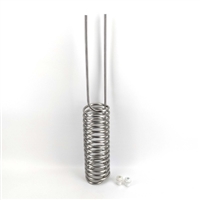
2. Long Term Hot Water Exposure. The expectation with these kits is that they will be exposed to hot water and/or wort for a few hours perhaps once a week which to a homebrewer would be an ambitious brewing schedule. There should be very little reason to leave hot water sitting in your vessels for several hours past typical brewing usage. A gentle scrub of the interior of the tubing with the brush we offer is enough to break up any soil from wort. Several hours of hot water soak time, such as overnight, can increase the risk of "crazing" or cracking within the polycarbonate.
3. Long Term Chemical Exposure. Homebrewers use several different chemicals and cleansers to reduce cleaning labor/effort as well as to sanitize. Alkalii cleaners such as PBW have a very high pH as well as surficants. Starsan is very acidic. Under recommended usage, these should have very minimal affect on the tubing. However, elevated concentrations, extended exposure times, and elevated temperatures are all factors that affect impact. Certainly any combination of those factors increase the risk of damage.
While the damage/failure reports are too infrequent and rare to draw any solid conclusions, In nearly all failure reports involving minor crazing (cracking) to complete failure involved a combination of all three factors above. Our advice is to follow manufacturer recommendations carefully such as 5-star chemical's tech guide to PBW. For example, exposure time for typical cleaning is listed between 30 minutes and 4 hours at temps up to 180F and overnight soaks are recommended with cold water. Don't use exposure times longer than is necessary to clean your equipment and if you really want to nuke the kettle once a year for deep cleaning, remove the sight glass kit and plug the hole temporarily.
Again, this isn't meant to scare you away from using polycarbonate in your brewery. The failure rate is extremely low and can be avoided with moderate precaution. Some of the kits we've installed on friends' gear prior to ever thinking about selling them have been going strong for over 3 years with no problem. Also, the failure rate of .2% should be put into perspective. As of writing this article, over 2000 kits have been sold. Please use the contact form if you have any questions.
Add comment
Please keep comments relevant to the product and avoid profanity. I have to approve comments to avoid spam but I will not censor real customer criticisms.